




What is mutual fund
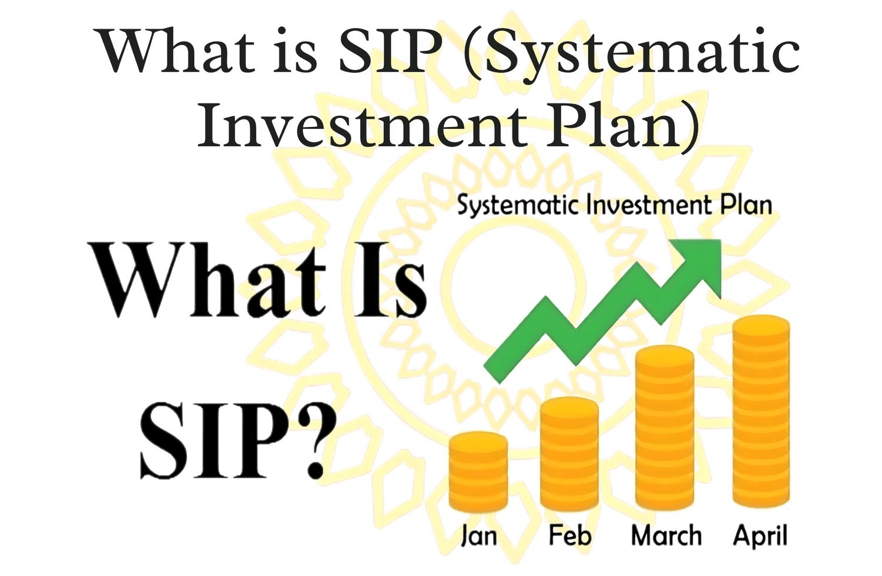
Systematic Investment Plan (SIP) is an investment route offered by Mutual Funds wherein one can invest a fixed amount in a Mutual Fund scheme at regular intervals– say once a month or once a quarter, instead of making a lump-sum investment. The installment amount could be as little as INR 500 a month and is similar to a recurring deposit. It’s convenient as you can give your bank standing instructions to debit the amount every month.
SIP has been gaining popularity among Indian MF investors, as it helps in investing in a disciplined manner without worrying about market volatility and timing the market.
Systematic Investment Plans offered by Mutual Funds are easily the best way to enter the world of investments for the long term. It is very important to invest for the long-term, which means that you should start investing early, in order to maximize the end returns. So your mantra should be – Start Early, Invest Regularly to get the best out of your investments.
PRODUCT BASKET




Frequently Asked Questions
Is SIP safe or not?
SIP is a very safe method to invest in mutual funds. If you invest in a mutual fund lump sum, depending on the market condition, you could end up paying a very high price for a mutual fund. To avoid this, you should invest in mutual funds when the markets are not overvalued. This obviously requires a good knowledge of the markets. This is called timing the market.
You do not need to worry about timing the market when investing via SIP. In SIP, you invest a small amount of money every month. In some months, the price will be high while in some months, the price will be low. If you consider the long term, the price you pay will be an average of high and low. Thus, you will not pay a high or overvalued price for the mutual if you invest via SIP. This is called rupee cost averaging.
Are SIP returns taxable?
Depends on the type of mutual fund you invest in and when you redeem your investment.
Returns from equity mutual funds have no tax on them if redeemed after a year of investment. If you redeem before a year, you will have to pay a tax of 15% on your gains.
Debt mutual funds, on the other hand, are taxed at a rate of 20% with indexation benefit if you redeem after 3 years since investment. If you redeem before 3 years, the tax is based on your income tax slab.
Note: Tax in case of SIP is calculated on individual SIP investments. This means the tax will be calculated for each SIP instalment separately.
Can SIP be stopped?
Yes. Unlike fixed deposits (FD) and recurring deposits (RD), you can stop an SIP any time you want. After stopping paying for an SIP plan, you can either choose to redeem your money from the mutual fund or continue to remain invested in the fund.
Can SIP amount be reduced/increased?
The procedure to do so is very complicated. But there is a solution to this problem. You can simply start a new SIP in the same fund with the increased amount.
Can SIP be started online?
Yes, you can easily start a SIP online. To start a SIP online using our plaform, make sure you have signed up on our platform. Upload necessary documents (PAN, address proof, and bank statement) and then choose a mutual fund you want to start a SIP in.
Does SIP have an exit load?
The exit load of a SIP depends entirely on the mutual fund. If the mutual fund specifies an exit load for a period, then there will be an exit load on the SIP also. Most equity funds have an exit load of 1% if redeemed before a year from investment and no exit load if redeemed after a year. The exit load is calculated upon the value being redeemed.
Is SIP better than RD?
SIP has the capability to give much higher returns than RD. The return you get on your SIP depends on the mutual fund you invest in. There are debt mutual funds that are considered low risk and then there are equity mutual funds that are considered high risk. Unlike RD, the rate of return isn’t fixed in case of mutual funds.
Debt funds usually give much better returns when compared to RD and are considered the low risk too. If you can take more risk, you should try setting up and SIP in higher risk equity mutual funds.
Is SIP good for the long term?
Yes. In fact, it is better to invest in SIP for the long term. Instead of waiting and accumulating money to invest, you start investing whatever amount you are able to save. This way, your money is always invested.
Not just that, by investing for the long-term, you are ensuring that short-term market volatility does not affect your investment.
Is SIP and mutual fund the same thing?
SIP is a method used to invest in mutual funds. You can invest in mutual funds in two ways: lump sum and SIP. When you invest a lump sum, you put in a large amount of money in a mutual fund in one go. In SIP, you invest smaller amounts of money on a regular basis – usually every month.
Which SIP to invest?
Which SIP you invest in depends on your needs. If you are willing to take risks, you can check out small and mid cap mutual funds. On the other hand, if you want moderate risk, you can check out large cap mutual funds. You can also check out debt mutual funds if you want to be exposed to very low risk.